Investing in Quality: How the Right Restaurant Equipment Can Boost Your Bottom Line
Within the demanding restaurant sector, the choice of equipment can greatly impact economic outcomes. High-grade equipment improves productivity and security and simultaneously cutting overhead costs. When selecting restaurant equipment, considerations like power consumption, user comfort, and adaptability play essential roles. Grasping these considerations can lead to better service and increased customer satisfaction. Despite this, several operators fail to recognize the long-term benefits of investing wisely. What key elements should be focused on to achieve the greatest return on investment?
Why High-Quality Equipment Is Essential in the Restaurant Industry
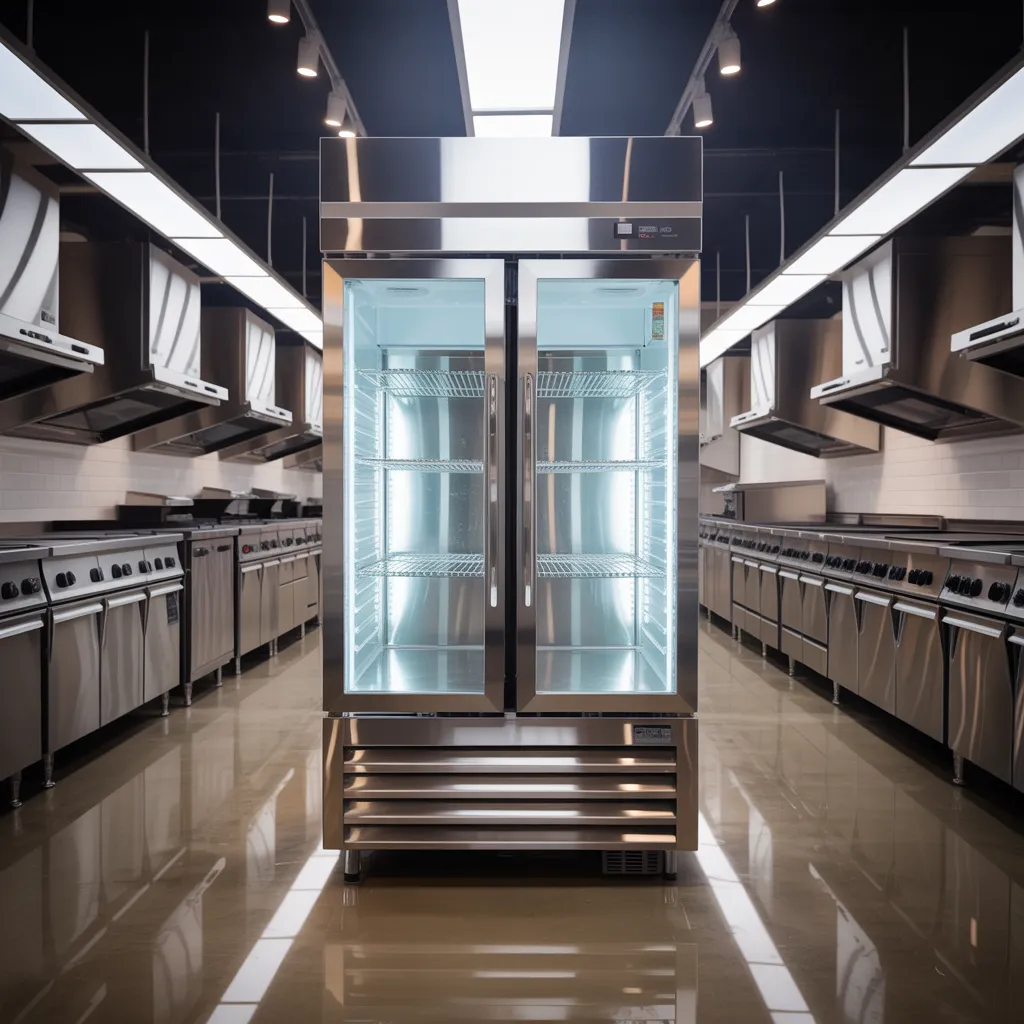
Premium equipment stands as the cornerstone of every successful restaurant operation. When restaurateurs invest in high-grade tools and appliances, they enhance efficiency, safety, and overall service quality. Reliable equipment minimizes downtime and repair costs, allowing staff to focus on delivering exceptional customer experiences. Furthermore, long-lasting appliances frequently incorporate cutting-edge technology that enhances cooking precision and consistency, which is essential for upholding menu standards.
In addition, high-quality equipment promotes greater energy efficiency, cutting down operational expenditures over the long term. This benefits not only the financial health of the business but also advances sustainability initiatives across the industry. While the upfront costs may appear significant, the long-term advantages frequently justify the expenditure. At the end of the day, selecting high-quality equipment allows restaurant owners to enhance operational efficiency, fulfill customer needs, and create a welcoming dining experience, establishing it as a critical element in the competitive food service market.
Critical Features to Keep in Mind When Selecting Restaurant Equipment
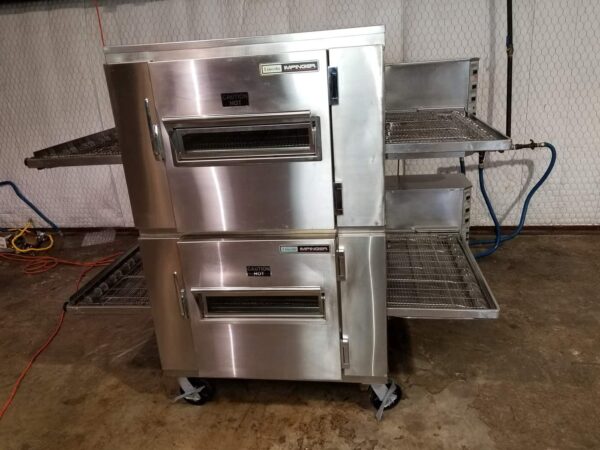
When evaluating restaurant equipment, several essential features warrant careful consideration to ensure optimal performance and lasting durability. Durability is paramount; equipment needs to hold up against the challenges of everyday use in a high-volume kitchen. Additionally, ease of upkeep is an important factor; equipment that simplifies cleaning and servicing can reduce downtime and labor costs.
Adaptability is another important aspect, enabling chefs to use equipment across various applications, enhancing menu flexibility. Scale and capacity ought to be examined to ensure that equipment fits within the kitchen space while meeting production demands. Additionally, user-friendly interfaces facilitate quicker staff training and operational efficiency.
Furthermore, review the support and warranty offered by the maker, as comprehensive support options can minimize future concerns. By assessing these essential criteria, foodservice operators can make informed choices that increase overall productivity and success.
Energy Efficiency: A Key to Lower Operating Costs
Energy efficiency emerges as a vital consideration in cutting overhead costs for restaurants, notably in a field where profitability can be challenging. Investing in energy-efficient equipment can lead to significant savings on utility bills, which commonly account for a significant part of overall expenditures. As an example, ENERGY STAR-qualified devices use less power while delivering consistent results, enabling restaurants to run more efficiently and cost-effectively.
In addition, quality equipment often demonstrates greater durability, minimizing the need for frequent and costly replacements. This helps reduce capital expenditures while also cutting down on waste.
Beyond financial benefits, adopting energy-efficient practices can strengthen a restaurant's image, appealing to environmentally conscious consumers. With energy prices steadily increasing, prioritizing efficiency becomes not just a smart financial move but also a competitive advantage. By prioritizing energy-conscious appliances, dining establishment operators can strengthen their profitability while supporting a greener tomorrow.
How Ergonomics Can Boost Staff Productivity
Within the restaurant sector, ergonomics serves a vital function in improving employee productivity. By optimizing workflow efficiency, lowering the likelihood of workplace injuries, and increasing employee comfort, restaurants can create a more effective work environment. Such an investment not only advantages the workforce but also promotes long-term operational excellence.
Optimized Workflow Performance
Maximizing workflow efficiency in commercial kitchen environments relies upon the application of ergonomic concepts. By developing layouts that support natural body movements, restaurants can enhance efficiency. Equipment height, layout, and accessibility significantly contribute to decreasing undue physical burden. For instance, flexible work surfaces allow staff to perform tasks comfortably, enhancing speed and precision. Additionally, strategically placed tools and supplies minimize excessive reaching and bending, enabling a more efficient operation. When team members can work without restriction, they are more likely to maintain focus and productivity. Investing in ergonomic designs not only enhances performance but also fosters a more organized environment, ultimately resulting in superior service delivery and patron fulfillment. Through careful selection of tools and fixtures, restaurants can achieve significant gains in operational efficiency.
Minimized Injury Risks
Implementing ergonomic principles in restaurant settings significantly reduces injury hazards among employees. By adopting easy-to-use equipment, such as adjustable-height workstations and fatigue-reducing mats, food service businesses can decrease the physical strain on employees. Ergonomically designed implements, like reduced-weight utensils and easy-to-handle transport carts, further decrease the likelihood of repetitive stress injuries. Training staff on ergonomic best practices, such as safe lifting practices and good posture habits, enhances awareness and fosters safer conduct. These initiatives not only shield team members but also lead to fewer workplace accidents, thus lowering downtime and related expenses. At the end of the day, committing to ergonomic resources and instruction fosters a safer work environment, which can elevate team productivity and workplace satisfaction.
Increased Employee Comfort
Enhancing employee comfort through well-designed design greatly elevates employee productivity in restaurant environments. By investing in tools that focuses on worker comfort, foodservice businesses can develop a workplace that minimizes physical stress and exhaustion. Adaptable work surfaces, comfortable chairs, and properly designed culinary equipment enable workers to complete duties with greater ease and efficiency. Beyond simply achieving higher productivity but also cultivates a healthy organizational culture, expert guide which can improve worker satisfaction and commitment. Moreover, comfortable employees are less likely to face workplace exhaustion, contributing to reduced staff turnover and associated expenses. Ultimately, adopting ergonomic practices is a calculated decision that strengthens overall operations and supports the establishment's long-term profitability. By placing comfort at the forefront, foodservice operations can develop a stronger and more capable staff.
Picking Food Service Equipment That Improves Customer Experience
A carefully curated range of commercial kitchen equipment can greatly elevate the general dining atmosphere for guests. High-quality items, such as state-of-the-art coffee makers or high-precision ovens, ensure that meals and drinks are delivered at optimal temperatures and taste profiles, improving the overall experience. Furthermore, attractive dining equipment, like fashionable dishware or specialized serving utensils, enhances the establishment's atmosphere and strengthens its brand image.
Streamlined kitchen machinery accelerates workflow, permitting team members to present dishes without delay, which is critical for maintaining client engagement. Furthermore, appliances that ensure proper food hygiene, such as high-quality cooling units, establishes assurance and trust among customers.
Furthermore, technology-focused approaches, like automated ordering solutions, can personalize the dining experience, making it more interactive and enjoyable. Through carefully selecting equipment centered around efficiency, quality, and visual appeal, restaurateurs can dramatically boost the overall dining experience, resulting in loyal customers and favorable recommendations.
Why Flexible Equipment Is Essential for Menu Adaptability
Multi-functional equipment is vital for allowing dining establishments to modify their menus in response to changing trends and customer preferences. Through the integration of versatile kitchen tools, establishments can efficiently respond to market demands without requiring substantial financial outlay on additional equipment. As an example, a combination oven offers steaming, baking, and roasting capabilities, empowering kitchen staff to craft an extensive range of menu items while maintaining consistent quality.
This versatility not only improves creative menu planning but also improves kitchen efficiency, cutting down preparation time and limiting unnecessary food waste. Establishments with adaptable tools can swiftly respond to seasonal menu components or growing dietary movements, such as vegan alternatives or gluten-free selections.
In the end, investing in adaptable equipment enables restaurants to stay competitive and relevant, nurturing a vibrant dining experience that captures and keeps customers coming back. The flexibility to update menus effortlessly represents a critical strategy for achieving sustained growth in the rapidly shifting culinary landscape.
Ways to Extend the Lifespan of Your Equipment
To extend the service life of foodservice equipment, implementing a regular maintenance schedule is crucial. Moreover, employing effective cleaning methods can reduce equipment degradation, while comprehensive staff training initiatives confirm that staff handle equipment correctly. Combined, these approaches establish a basis for durability and consistency in foodservice management.
Periodic Maintenance Schedule
Even though many restaurant owners concentrate on acquiring high-quality equipment, ignoring consistent maintenance can cause costly repairs and diminished equipment longevity. Creating a consistent maintenance schedule is crucial for guaranteeing that equipment functions efficiently and dependably. This schedule ought to incorporate regular inspections and servicing of critical components, including filters, seals, and electrical connections. It is beneficial to log maintenance tasks to track performance and detect recurring issues. Moreover, teaching staff to spot early warning signs of wear can keep minor issues from developing into larger problems. By emphasizing maintenance, restaurant owners can reduce downtime, improve food safety, and ultimately prolong the lifespan of their investments. A preventive approach to equipment upkeep results in considerable long-term cost savings for the business.
Essential Cleaning Procedures
Maintaining cleanliness is critical for prolonging the life of restaurant equipment. Regular cleaning reduces the formation of food particles, grease, and harmful debris that can cause surface corrosion and operational failure. Using appropriate cleaning agents is of utmost importance; abrasive chemicals can harm equipment surfaces, while gentle, food-grade cleaning solutions thoroughly eliminate buildup without causing damage. Employees must use correct cleaning methods, such as employing microfiber cloths and non-scratch sponges, to prevent damage to sensitive surfaces. Moreover, routine deep cleaning should be scheduled to address hard-to-reach areas and guarantee thorough sanitation. Adhering to the manufacturer's recommended care instructions is necessary, as different equipment types require unique cleaning approaches. Implementing these methods helps extend the operational lifespan of equipment and sustaining optimal functionality in a fast-paced restaurant environment.
Operator Training Programs
Executing comprehensive operator training programs is fundamental for extending the operational life of restaurant equipment. These programs establish that staff comprehend the proper usage and maintenance of each piece of equipment, decreasing the probability of misuse and accidental damage. Training should address functional methods, safety protocols, and routine cleaning methods, all tailored to specific equipment types. Scheduled review courses can reinforce best practices and account for any new machinery integrated into the kitchen. Additionally, promoting a mindset of stewardship encourages staff to assume responsibility for equipment care. By investing in extensive training, restaurant operators can greatly extend the life of their equipment, ultimately enhancing efficiency and reducing long-term costs. This purposeful strategy supports the operation's profitability.
When Should You Upgrade Your Restaurant Equipment for Better ROI?
When is the right moment to upgrade restaurant equipment for the best possible ROI? Proper timing can have a major influence on overall profitability. Restaurant owners should think about updating their equipment when equipment frequently breaks down or requires costly repairs, as such costs can exceed the advantages of retaining aging equipment. Furthermore, if the existing equipment fails to meet current health and safety standards, it can result in penalties or forced shutdowns, thereby negatively impacting financial performance.
An additional important sign is a marked reduction in operational effectiveness, such as increased time to complete cooking or increased energy consumption. Upgrading to energy-efficient models can lower energy expenses and enhance productivity. Moreover, when new menu items are introduced, it may require equipment that can handle increased demand or advanced culinary processes. In the end, reviewing productivity, overhead, and development will enable managers to pinpoint the best opportunity to acquire modern appliances, ensuring improved ROI and a competitive edge in the market.
Frequently Asked Questions
How Can I Finance Restaurant Equipment Purchases Effectively?
For financing restaurant equipment purchases effectively, one may look into options including small business loans, leasing, or equipment financing. Reviewing interest rates and terms secures the most suitable options suited to the restaurant's unique financial circumstances and requirements.
What Brands Are Known for High-Quality Restaurant Equipment?
A number of names are celebrated for superior restaurant equipment, including Vulcan, Hobart, and True. Such companies are distinguished for their reliability, durability, and performance, making them popular choices among restaurant owners striving to optimize their workflows.
Do Warranties Exist for Restaurant Equipment?
Yes, many producers provide warranties for restaurant equipment, typically ranging from one to five years. These coverage plans typically encompass labor and parts, offering peace of mind to business owners concerning the lasting quality and performance of their investments.
What Are the Responsible Methods for Disposing of Old Restaurant Equipment?
To properly handle old foodservice equipment in a sustainable way, one should reach out to nearby recycling facilities, donate usable items to charities, or work with certified removal services that follow established environmental standards, ensuring safe and sustainable removal of materials.
Which Trends in Restaurant Equipment Technology Should I Be Watching?
Recent developments in food service equipment technology include power-efficient devices, smart culinary tools, automated solutions for productivity, and sustainable materials. These breakthroughs work to boost workplace productivity, minimize financial expenditures, and advance green initiatives within the restaurant industry.