Elevate Your Event: Unforgettable Catering Services for Any Event
Enhancing an event through catering calls for careful consideration of multiple elements. The choice of catering style can significantly shape the complete experience. Innovations such as interactive food stations and sustainable ingredients are gaining popularity. Furthermore, catering to dietary preferences and managing costs effectively are critical. Appreciating these elements can convert an ordinary gathering into an unforgettable experience. That said, identifying the right approach and service is fundamental for reaching the intended outcome. Where does one go from here?
How to Select the Ideal Catering Style for Your Event
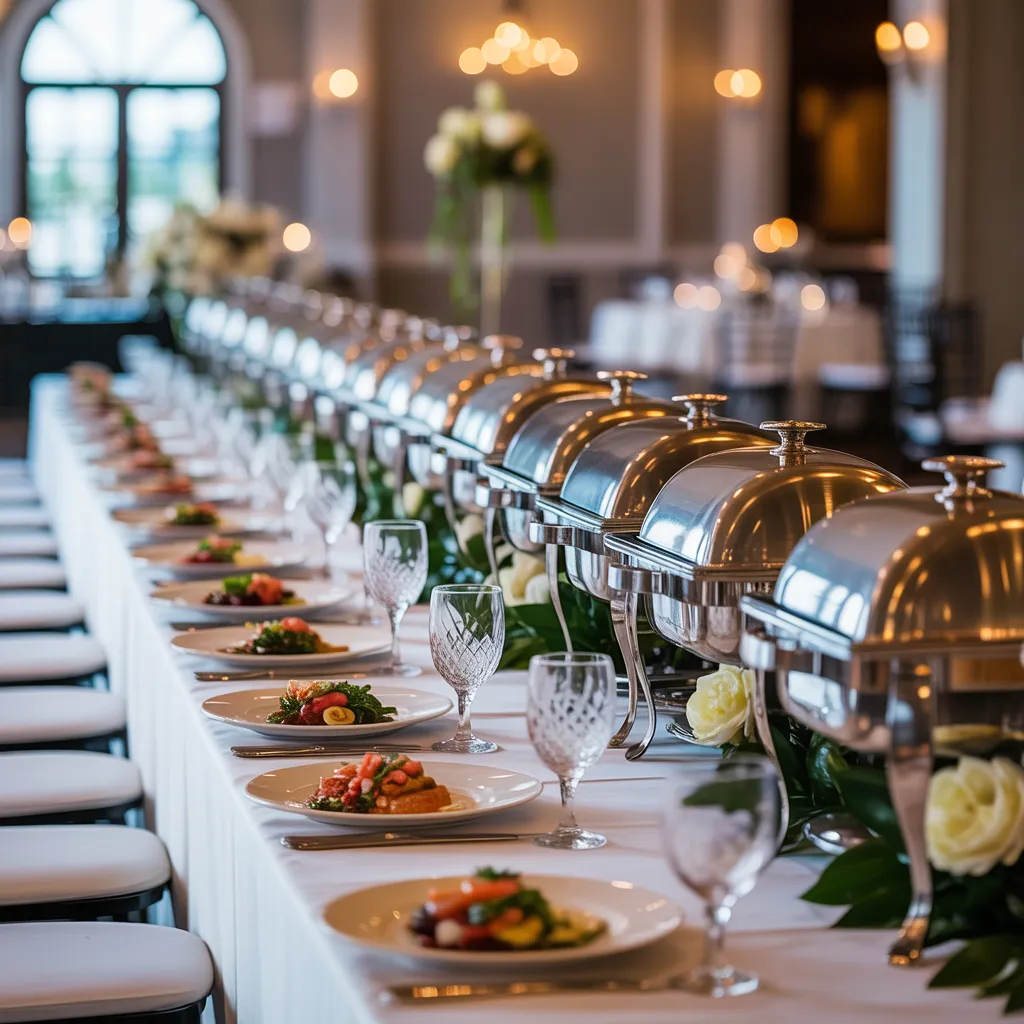
When planning an event, how does one establish the ideal catering style? The decision relies on a number of considerations, including the event type, guest count, and venue. Formal occasions, such as weddings or corporate functions, often benefit from plated service, which delivers a sophisticated dining experience. On the other hand, informal occasions like social celebrations often benefit from a buffet or family-style dining setup, promoting socialization and engagement among guests.
A further aspect is the dietary preferences and restrictions of attendees, which demand a diverse menu that accommodates various needs. Additionally, the budget holds significant importance; certain catering approaches can be more economical than alternatives. In addition, the intended event environment should match the chosen catering method, whether it be sophisticated or laid-back. Ultimately, being aware of these considerations enables organizers to choose a catering style that improves the overall occasion while fulfilling both stylistic and operational demands.
Leading Catering Trends That Will Wow Your Guests
Contemporary gatherings continue to incorporate creative catering concepts that elevate the attendee experience. One standout approach is the use of interactive food stations, giving guests the opportunity to customize their meals in the moment. This not only adds an exciting aspect but also encourages social interaction across the crowd.
Sustainable and locally sourced ingredients are gaining traction, reflecting a growing awareness of environmental impact and health consciousness. This shift not only improves culinary quality but also bolsters regional economies.
Additionally, themed culinary experiences bring guests on a cultural voyage through distinctive flavors, creating memorable dining moments. Finally, the increasing demand for breathtaking visual displays, such as artistic edible creations and colorful presentations, confirms that every plate captivates the eyes just as powerfully as it pleases the palate. Together, these developments shape a truly remarkable catering experience, making a profound impact on attendees while establishing the ambiance of the gathering.
How to Make Sure Everyone's Dietary Needs Are Met
Managing dietary requirements at events necessitates the early recognition of restrictions to ensure inclusivity. Offering a diverse menu that accommodates various preferences and requirements is essential for guest satisfaction. Transparent labeling of food items also assists in eliminating misunderstandings and encourages a safe and enjoyable dining experience.
Discover Dietary Restrictions Ahead of Time
What steps can event organizers take to make sure every attendee feels included and pleased? Identifying dietary restrictions early is vital for achieving this goal. Prior to the event, organizers should send out invitations that include a request for dietary preferences and restrictions. This proactive approach allows them to gather essential information and accommodate various needs, such as allergies, intolerances, and lifestyle choices like veganism or gluten-free diets.
Those organizing events can also explore setting up an easy-to-use online form or survey to make the process more efficient. By gathering and organizing this information, they can assure that all guests are catered for, fostering an inclusive atmosphere. In the end, identifying dietary restrictions ahead of time not only improves the overall guest experience but also highlights the organizer's focus on attentive and thorough event planning.
Feature an Extensive Array of Menu Options
After gathering dietary restrictions, event organizers can take the next step by offering diverse menu options that cater to all guests. A well-curated menu should include vegetarian, vegan, gluten-free, and nut-free choices, making certain that no one feels excluded. By integrating an assortment of cuisines, organizers can cater to a range of palates while acknowledging dietary preferences and needs. Locally sourced seasonal ingredients can elevate taste and freshness, rendering dishes more attractive to guests. Moreover, presenting an assortment of appetizers, main thorough guide dishes, and sweet courses gives guests the opportunity to relish a comprehensive dining experience. Working with catering professionals who focus on diverse menu options can help ensure that all dietary considerations are satisfied, ultimately cultivating an inclusive setting that enriches the overall event experience.
Mark Food Items Clearly
What steps can event organizers take to guarantee attendees feel secure and knowledgeable about their dietary selections? Accurate food labeling plays a vital role in accommodating dietary needs. Event planners should use clear signage that identifies ingredients and draws attention to common allergens including nuts, gluten, and dairy. This level of clarity empowers guests to make well-informed decisions and reduces potential health hazards. Furthermore, color-coded labeling systems can make it easier to distinguish vegan, vegetarian, and gluten-free selections. Offering thorough descriptions on menus improves comprehension and promotes attendee participation. Event planners should also ensure that knowledgeable staff members are on hand to address food-related inquiries. Through the adoption of these approaches, event organizers can foster an inclusive environment where every attendee feels assured about their food choices, enhancing the overall event experience.
Building a Tailored Menu for Your Theme
Designing a personalized food selection for an themed event transforms the complete experience, ensuring that the menu choices complement the occasion's essence. A well-curated culinary lineup captures the event's tone, whether for a formal gala, a whimsical birthday party, or a laid-back outdoor celebration. By considering the event theme, planners can select menu items that coordinate with cultural elements and aesthetic themes.
Incorporating locally seasonal components not only enhances flavor but also aligns with the aesthetic direction of the gathering. As an example, a tropical event theme may highlight vibrant fruits and invigorating seafood, while a rustic-themed event might showcase wholesome, locally obtained dishes. Moreover, considering guests' dietary preferences and restrictions creates an environment of inclusivity, allowing all guests to enjoy the culinary journey.
Fundamentally, a bespoke menu converts basic food service into an essential part of the gathering's experience, creating an enduring memory that transcends the last dish.
How Professional Service Makes a Difference in Catering
Expert catering service significantly elevates the entire event experience, ensuring that guests feel attended to and valued. Consistency and reliability are key attributes that distinguish professional caterers, giving certainty that each detail will satisfy requirements. This degree of professionalism not only showcases the event's caliber but also bolsters the host's credibility.
Effect on Event Experience
Even though the dishes offered at an event tend to be a main attraction, the quality of catering staff greatly impacts the overall experience. Skilled catering teams not only ensure that dishes are showcased attractively but also coordinate the timing and flow of service, which can improve guest enjoyment. Thoughtful catering professionals create an welcoming atmosphere, allowing hosts to interact with their guests without stress. In addition, well-informed team members can provide information about the menu, making certain guests are aware and content with their selections. Ultimately, the smooth coordination of catering services contributes to a memorable event, leaving a lasting impression on attendees. A expertly organized catering experience transforms the occasion, highlighting the significance of professional service in event planning.
Dependability and Consistency Guarantee
Maintaining consistency and dependability in catering services is vital for a triumphant event. When clients hire professional caterers, they anticipate a smooth experience, from initial planning to final execution. Dependable catering companies maintain high standards, guaranteeing that food quality, presentation, and service stay consistent. This dependability gives clients confidence that their guests will savor a remarkable dining experience.
Additionally, professional caterers are adept at managing logistical challenges, such as impromptu adjustments or nutritional considerations, while upholding high service standards. Their experience allows them to identify upcoming obstacles, easing concerns for event managers. Fundamentally, the dependability of a catering provider directly impacts the total outcome of an event, building confidence and motivating clients to book again for upcoming events.
Budgeting for Catering: Maximizing Value
Managing the complexities of budgeting for catering can greatly impact the total success of an event. Establishing a clear budget is vital, as it defines the boundaries for all catering-related decisions. Those organizing events should first calculate the full amount allocated and separating it into specific segments, such as beverages, food, and service charges.
Focusing on necessities rather than luxuries can help maximize value; for instance, opting for a buffet setup may offer a wider variety at a lower cost than plated meals. Furthermore, discussing terms with catering companies can result in reduced rates or bundled packages, enhancing the overall experience without breaking the bank.
Including fresh seasonal components can further decrease overall costs while delivering consistently fresh and delicious meals. By methodically evaluating options and making informed choices, event planners can create an unforgettable catering experience that meets their financial constraints without sacrificing quality.
Reviewing and Picking the Ideal Catering Service
In what ways can event planners successfully identify and secure the most suitable catering service? The initial step requires identifying particular event requirements, encompassing the cuisine type, total guest count, and existing dietary requirements. Following this, planners ought to investigate prospective caterers by examining online reviews, client testimonials, and showcases of previous events. Organizing tasting sessions is vital for properly judging the quality and presentation of the food.
Budget considerations play an important role; planners must obtain detailed quotes that outline all costs, including operational fees and any applicable overtime expenses. Communicating directly with catering professionals enables organizers to evaluate their responsiveness and capacity to handle specific needs. Additionally, checking for proper licenses and insurance guarantees reliability and professionalism.
Ultimately, event planners should obtain suggestions from fellow professionals or industry connections to narrow down options. By integrating this approach, organizers can confidently select a catering service that aligns with their vision and improves the guest experience.
Questions We Often Receive
What Is the Ideal Timeframe for Booking Catering Services?
Professionals advise reserving catering arrangements no less than three to six months beforehand for sought-after dates and event spaces. This guarantees availability, permits menu personalization, and provides ample time for any necessary adjustments or planning.
Do Catering Companies Offer Table and Chair Rental Services?
Several catering services supply rental packages for chairs and tables, delivering a complete option for gatherings. Event planners should explore such supplementary services when booking to make certain every requirement is fulfilled for their function.
What Is Done with Leftover Food Once the Event Ends?
When the event is over, leftover food is typically assessed for safety and quality. A large number of catering providers give leftover food to local charities or shelters, while some may package it for clients or dispose of it responsibly.
Do Catering Costs Include Gratuities?
Gratuities are typically not included in the catering cost. Clients are advised to check with the catering company about their tipping guidelines, as they may recommend a percentage based on the total bill or service quality.
Can I Sample the Menu Items Before Placing My Final Order?
A tasting session is generally provided prior to confirming the order. This opportunity allows clients to sample the menu options, making sure the chosen dishes match their tastes and event requirements.